
Tesamorelin and Cognitive Function — Exploring Neuroprotective Benefits
A research-focused look at Tesamorelin, the GH/IGF-1 axis, neuroplasticity, memory, executive function, and neuroprotection pathways.
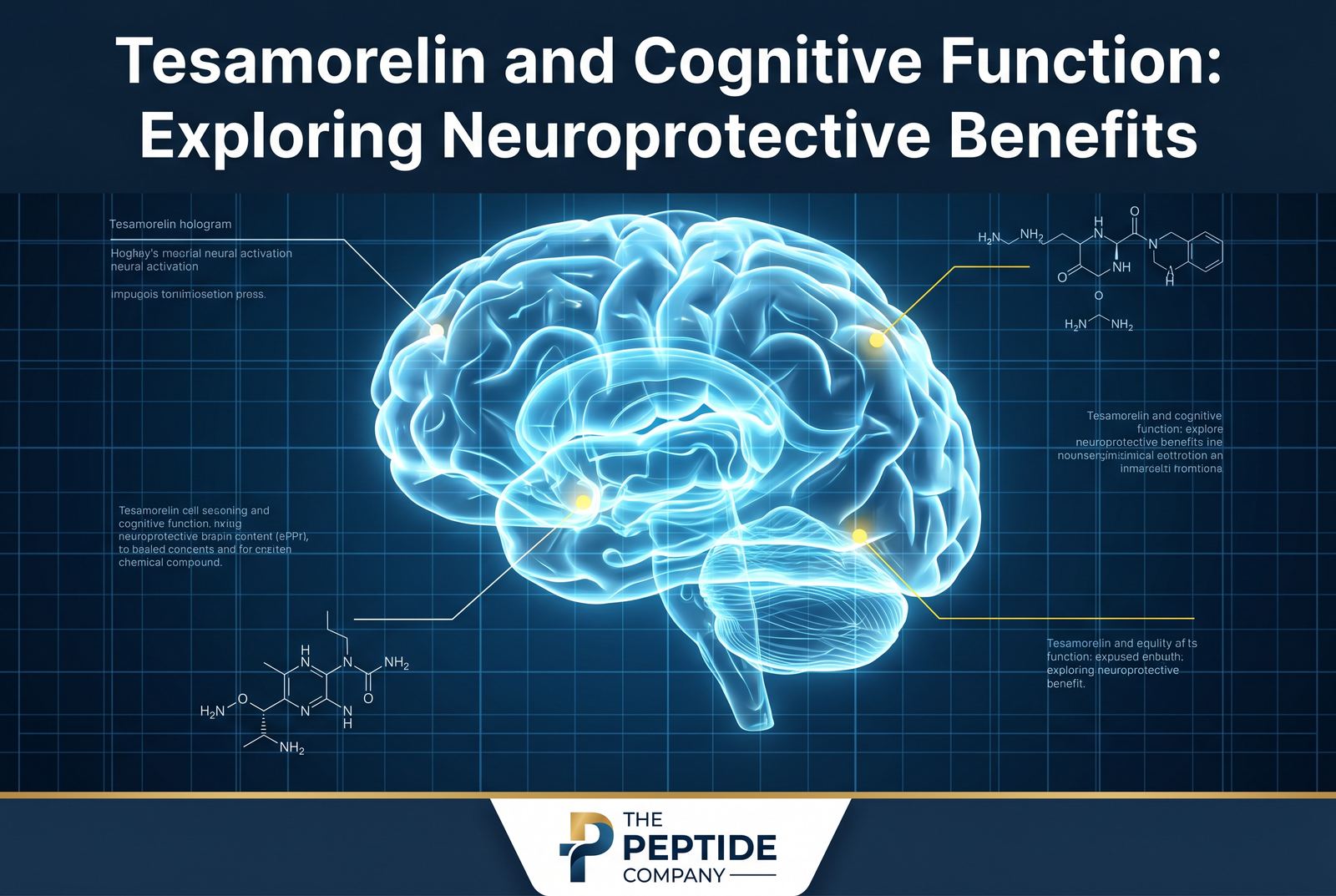
Why Brain-Health Research Matters
Cognitive decline and neurodegenerative research involve complex pathways such as neuronal repair, synaptic function, inflammation, amyloid-related processes, and neuroplasticity. Tesamorelin has been discussed because of its influence on the GH/IGF-1 axis.
Mechanisms Linking Tesamorelin to Brain Health
The GH/IGF-1 axis plays a role in neuroplasticity and neuronal maintenance. IGF-1 signalling is studied for its connection to brain-derived neurotrophic factor activity, neuronal repair, and brain-health pathways.
Clinical Evidence Highlights
- Executive function: A clinical study in older adults reported improvements in executive-function measures.
- Verbal memory: Research discussed improvements in memory-related outcomes after Tesamorelin treatment.
- IGF-1 correlation: Cognitive outcomes were associated with increased IGF-1 levels in the referenced study.
Why UK Researchers Are Interested
Tesamorelin offers a useful research model for studying the relationship between endocrine signalling, neuroplasticity, aging, cognitive performance, and neuroprotective pathways.
Explore Tesamorelin Cognitive Research
View research-grade Tesamorelin and continue reading the complete guide for broader study context.