🧪 Research Applications of GHK-Cu
Areas of Scientific Interest
GHK-Cu (Copper Tripeptide-1) is one of the most extensively studied naturally occurring peptides in biological research. Scientists continue to investigate its role across a wide range of cellular and molecular processes.
Skin Biology Research
One of the most widely studied areas involves skin-related biological processes. Researchers investigate how GHK-Cu interacts with cellular pathways involved in tissue maintenance, extracellular matrix function and overall skin biology.
Collagen Research
Numerous studies have explored the relationship between GHK-Cu and collagen-associated pathways. Scientists continue to investigate how peptide signalling may influence connective tissue structures and cellular communication.
Hair Follicle Research
GHK-Cu has attracted attention in studies involving hair follicle biology and scalp tissue environments. Researchers continue to examine cellular responses and growth-related signalling mechanisms.
Wound Healing & Cellular Regeneration
The peptide has been investigated extensively in laboratory studies involving tissue repair, regeneration and recovery pathways.
Researchers continue exploring the role of GHK-Cu in supporting communication between cells involved in maintenance and recovery processes. As scientific understanding develops, GHK-Cu remains one of the most researched copper peptides available for laboratory investigation.
🔬 Understanding Copper Peptides
What Makes GHK-Cu Unique?
GHK-Cu is a naturally occurring copper-binding peptide composed of three amino acids:
When bound to copper ions, the resulting complex forms GHK-Cu, a molecule found naturally within human plasma, saliva and urine.
Researchers have observed that natural levels of GHK-Cu tend to decrease with age, contributing to ongoing scientific interest in its biological functions.
Natural Biological Functions
Scientific literature has explored potential involvement in:
- Tissue maintenance
- Cellular signalling
- Extracellular matrix regulation
- Collagen-related pathways
- Recovery mechanisms
- Gene expression studies
This broad range of biological activity has contributed to the peptide’s popularity within research environments.
📊 Why Researchers Study GHK-Cu
Multiple Biological Pathways: Unlike many research peptides that focus on a single mechanism, GHK-Cu is investigated across multiple biological systems. Researchers continue examining its relationship with:
- Cellular Communication: Cells rely on complex signalling networks to coordinate biological activity. GHK-Cu is frequently studied for its involvement within these communication pathways.
- Gene Expression Research: Several studies have explored how GHK-Cu may interact with genes associated with maintenance, repair and regeneration processes.
- Protein Regulation: Researchers investigate whether copper peptides influence proteins involved in structural integrity and cellular support systems.
- Extracellular Matrix Studies: The extracellular matrix plays an important role in tissue structure and function. GHK-Cu continues to be explored in relation to these biological frameworks.
The breadth of these research areas has helped establish GHK-Cu as one of the most versatile peptides in modern laboratory studies.
⚖️ GHK-Cu vs Other Research Peptides
While many peptides focus on metabolic, hormonal or recovery-related pathways, GHK-Cu is primarily studied for its broad influence on cellular maintenance and regenerative biology. Researchers often compare GHK-Cu with other investigational compounds such as:
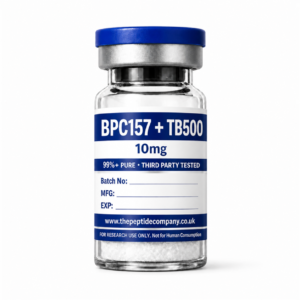
- BPC-157
- TB-500
- Ipamorelin
- Tesamorelin
- NAD+
However, GHK-Cu remains distinct because of its copper-binding properties and extensive research history within skin and connective tissue studies. Its versatility has made it one of the most frequently referenced peptides in longevity and regenerative research discussions.
❄️ Storage and Handling Information
Maintaining peptide integrity requires careful storage and handling.
Lyophilised Powder Storage
Prior to reconstitution, GHK-Cu should generally be stored at approximately -20°C for long-term preservation.
Reconstituted Material
Once reconstituted, researchers typically refrigerate solutions and utilise them within suitable laboratory timeframes.
Environmental Protection
To preserve quality, peptides should be protected from:
- Excessive heat
- Direct sunlight
- Moisture exposure
- Contamination risks
Avoid Repeated Freeze-Thaw Cycles
Repeated freezing and thawing may affect peptide stability and should generally be minimised whenever possible.
Laboratory Best Practices
Researchers should:
- Use sterile handling procedures
- Wear appropriate PPE
- Maintain accurate records
- Follow institutional research protocols
- Store materials correctly between uses
❓ Frequently Asked Questions
What is GHK-Cu?GHK-Cu is a naturally occurring copper peptide consisting of glycine, histidine and lysine bound to a copper ion.
What does GHK-Cu stand for?The name represents the three amino acids that form the peptide structure: Glycine, Histidine, and Lysine. Combined with copper, these form Copper Tripeptide-1.
Why is GHK-Cu researched?Scientists investigate GHK-Cu because of its involvement in cellular communication, tissue maintenance and regenerative biological processes.
Is this product intended for human consumption?No. This product is supplied strictly for laboratory and research purposes only.
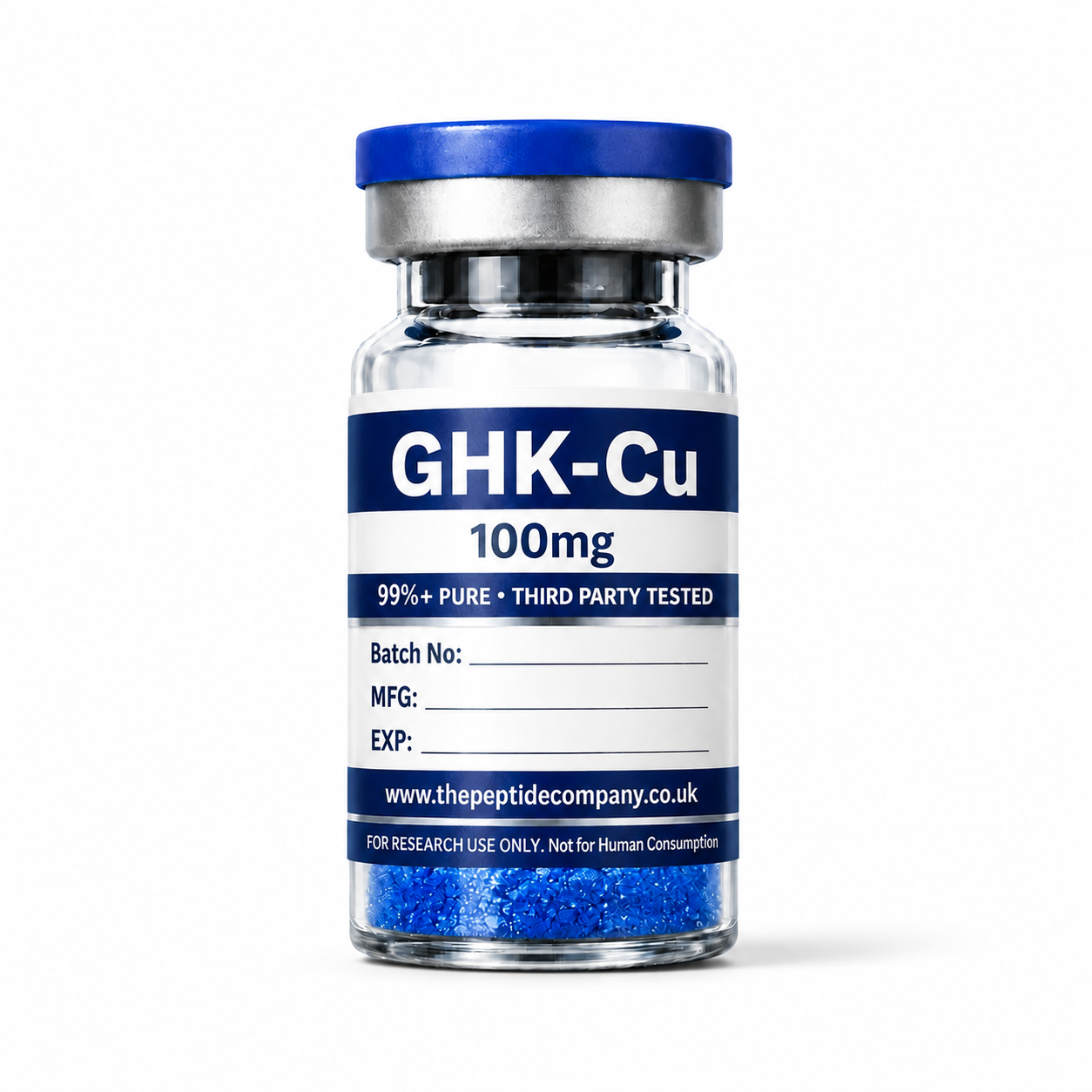
What form is supplied?GHK-Cu is supplied as a lyophilised powder.
Why is lyophilisation used?Freeze-drying helps improve stability during storage and transportation.
How should GHK-Cu be stored?Researchers generally store lyophilised peptides frozen until required for laboratory use.
Why is purity important?High purity helps improve consistency and reliability across research projects.
What research areas commonly involve GHK-Cu?Common areas include skin biology research, hair follicle studies, tissue regeneration research, cellular signalling investigations, and collagen-related studies.
What makes GHK-Cu different from other peptides?Its naturally occurring copper-binding structure and broad biological activity make it unique among research peptides.
Explore Related Research Resources
Researchers interested in GHK-Cu may also find the following resources valuable:
Ben Forsyth –
This GHK-Cu 100mg is excellent!
It delivers powerful skin rejuvenation, collagen boosting, and anti-aging benefits while supporting wound healing and reducing inflammation.
I’ve noticed smoother skin, improved elasticity, and faster recovery.
High-quality all round, I’ve set up a monthly subscription it’s that good.