
Liposomal GHK-Cu for Wound Healing — Faster Recovery Research
A research-focused look at liposomal GHK-Cu in wound-healing models, including wound closure, angiogenesis, tissue quality, and regenerative markers.
Why Wound Healing Research Matters
Wound repair involves cell proliferation, angiogenesis, inflammatory control, extracellular matrix formation, and tissue remodeling. GHK-Cu is studied in this area because of its relationship with collagen synthesis and regenerative repair processes.
Study Background
Liposomal GHK-Cu has been studied in wound models to evaluate whether advanced delivery systems can enhance the peptide’s regenerative effects and improve healing outcomes.
Detailed Findings
- Accelerated healing: Liposomal GHK-Cu was associated with faster wound closure in the referenced research model.
- Enhanced regeneration: Research discussed increased cell proliferation, angiogenesis, and repair-related marker activity.
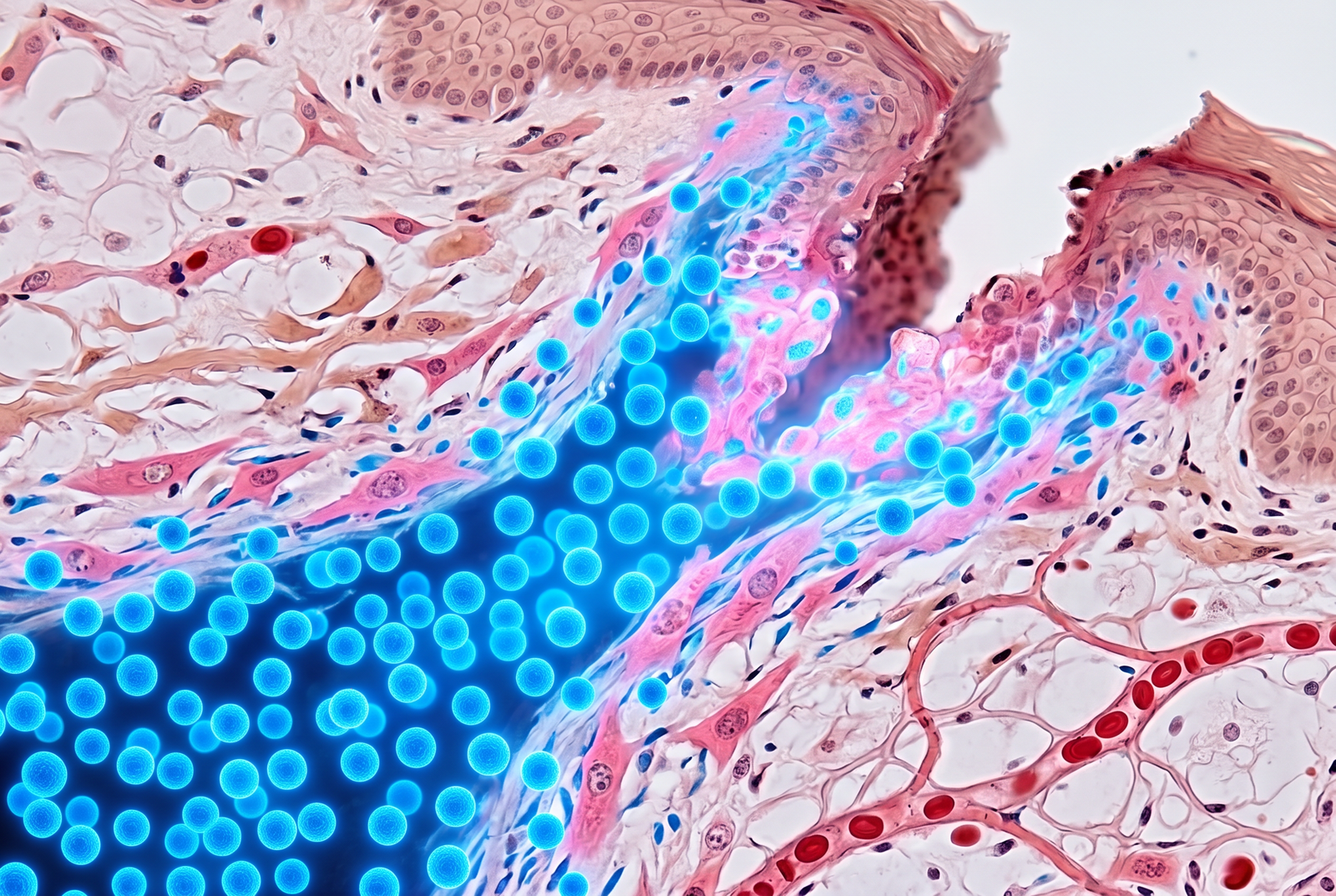
- Improved tissue quality: Histological analysis showed better tissue structure, less swelling, and reduced inflammation in the model.
Why UK Researchers Are Interested
GHK-Cu offers a useful research model for studying wound repair, regenerative delivery systems, angiogenesis, inflammation control, and tissue-quality outcomes.
Explore GHK-Cu Wound Healing Research
View research-grade GHK-Cu and continue reading the complete guide for broader peptide research context.