
Case Study 03 • Neurological Recovery
BPC-157 for Neurological Recovery — Repairing the Nervous System
A clear research summary of BPC-157 in nerve-repair models, neuroprotection, oxidative stress, and functional recovery research.
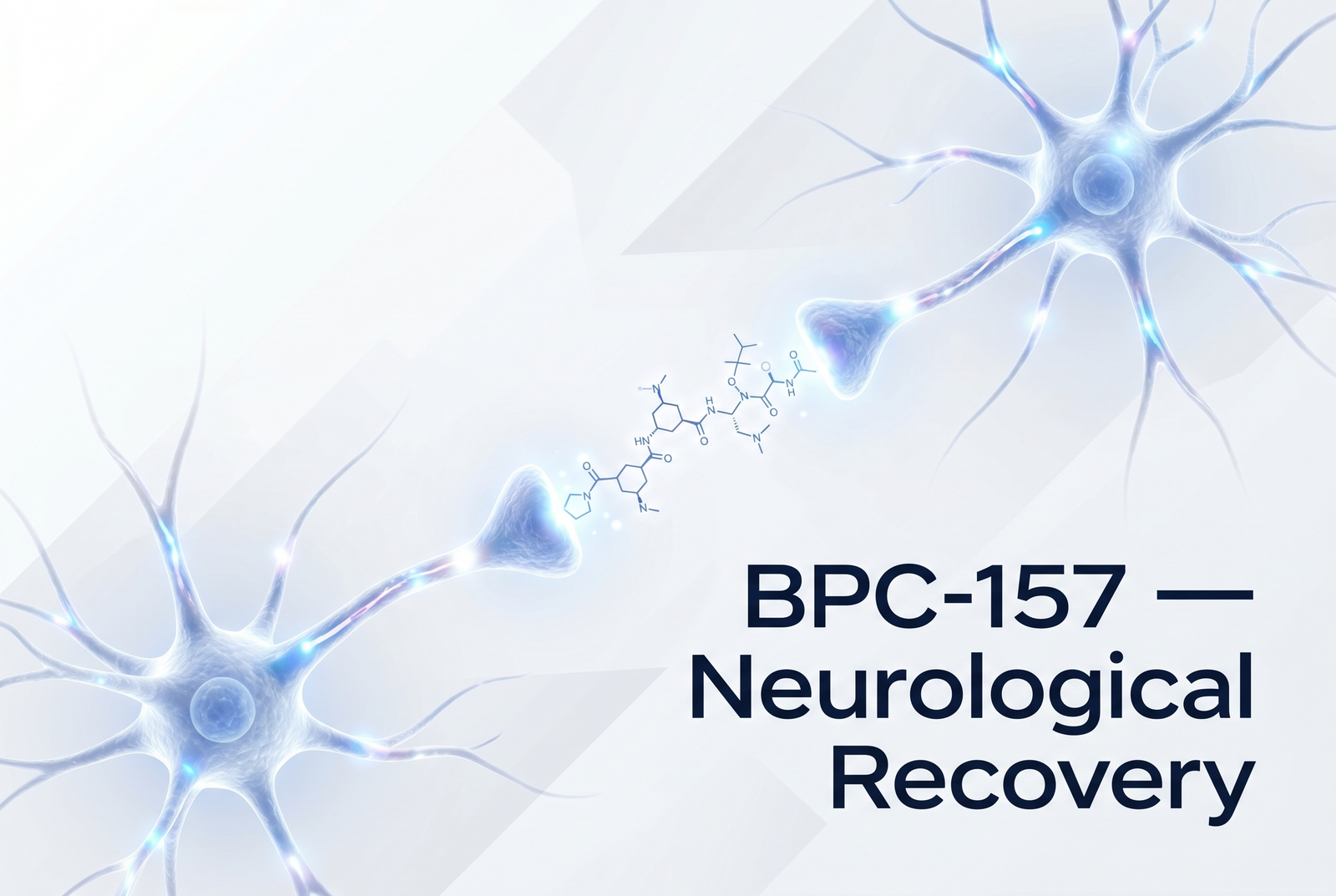
The Challenge of Nerve Damage
Nerve injuries and neurodegenerative research models are difficult because recovery often depends on inflammation control, oxidative stress reduction, nerve regeneration, and functional restoration. BPC-157 has been investigated as part of this research discussion.
Key Findings from Research
- Nerve regeneration: BPC-157 has been studied for its role in supporting repair of damaged nerves in preclinical models.
- Neuroprotection: Research explores its potential influence on oxidative stress and inflammatory pathways in the nervous system.
- Functional recovery: BPC-157 has been investigated in animal models involving motor function and nerve injury recovery.
Why This Matters for UK Researchers
For researchers in the UK, BPC-157 may be relevant for studying nerve repair, neuroprotection, spinal-cord injury models, neuropathy research, and oxidative stress pathways.
Research-use notice: This page is for educational and research context only.
It is not medical advice and should not be interpreted as guidance for treatment, dosing, or human use.
Start Your Neurological Research Today
Explore research-grade BPC-157 and continue reading the complete guide for broader study context.