
Our research stacks combine complementary compounds frequently studied together in laboratory environments. Designed for researchers seeking convenient multi-compound purchasing options, each stack has been assembled around commonly explored research categories including metabolic pathways, recovery-focused studies and longevity-related investigations.
Each stack gives researchers a simpler way to purchase related products together while benefiting from improved value compared with buying each compound individually. All products are supplied for laboratory research purposes only.
Why Choose Research Stacks?
Research stacks are created to make product selection easier for laboratories, educational institutions and qualified researchers. Rather than browsing separate product pages one by one, each stack groups related compounds around a specific research focus.
The GLP Transformation Stack is focused on metabolic and GLP-related pathway studies. The Metabolic Stack NAD+ & Semaglutide supports metabolic signalling and cellular energy research. The Total Repair Stack supports recovery, tissue repair and cellular regeneration research. The Age Reversal Stack has been assembled around longevity, cellular energy, mitochondrial function and healthy ageing models.
This structure improves convenience, supports higher-value research purchasing and helps users quickly identify the most relevant stack for their area of investigation.
Why Researchers Choose The Peptide Company
Shop Research Stacks
Choose from focused peptide research stacks covering metabolic research, recovery-focused studies and longevity-related investigations.
- Sale!View Product

- Sale!View Product
GLP Transformation Stack
£134.98Original price was: £134.98.£119.99Current price is: £119.99. Add to cart - Sale!View Product
Total Repair Stack
£136.97Original price was: £136.97.£114.99Current price is: £114.99. Add to cart - Sale!View Product
Metabolic Stack NAD+ & Semaglutide
Rated 5.00 out of 5£99.99Original price was: £99.99.£69.99Current price is: £69.99. Add to cart
Stack-Specific Research Focus
GLP Transformation Stack
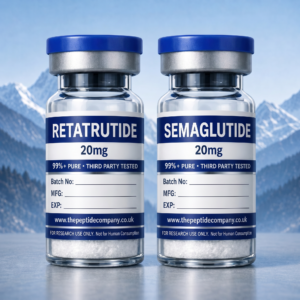
The GLP Transformation Stack combines two of the most discussed compounds within metabolic and GLP-related research. Researchers frequently explore these compounds in studies involving appetite regulation, energy balance, metabolic signalling pathways and body composition models.
Includes: Retatrutide and Semaglutide.
Metabolic Stack NAD+ & Semaglutide
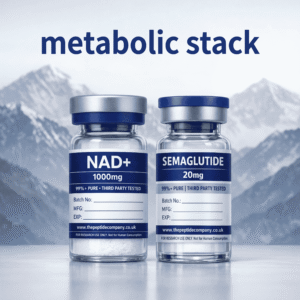
The Metabolic Stack NAD+ & Semaglutide has been assembled for researchers investigating metabolic signalling, cellular energy pathways, appetite regulation and GLP-related research models. This stack combines NAD+, commonly studied in mitochondrial and cellular energy research, with Semaglutide, a widely discussed compound within GLP-focused metabolic studies.
Includes: NAD+ and Semaglutide.
Total Repair Stack
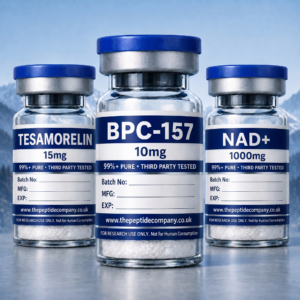
The Total Repair Stack is designed for researchers studying recovery-focused pathways, tissue repair models, cellular regeneration and mitochondrial function. This stack brings together compounds commonly explored within repair, restoration and cellular energy research.
Includes: BPC-157, Tesamorelin and NAD+.
Age Reversal Stack
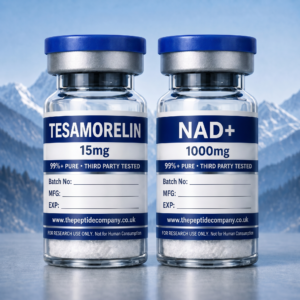
The Age Reversal Stack has been assembled for longevity-related research involving healthy ageing models, cellular energy, metabolic regulation and mitochondrial function. Each compound supports a different area of cellular maintenance and ageing-related investigation.
Includes: Tesamorelin and NAD+.
Which Research Stack Is Right For Your Research?
| Stack | Included Products | Research Focus | Best Suited For |
|---|---|---|---|
| GLP Transformation Stack | Retatrutide + Semaglutide | Advanced metabolic pathway research | GLP signalling, appetite regulation and body composition models. |
| Metabolic Stack NAD+ & Semaglutide | NAD+ + Semaglutide | Metabolic and cellular energy research | GLP-related research, cellular energy pathways and metabolic signalling studies. |
| Total Repair Stack | BPC-157 + Tesamorelin + NAD+ | Recovery and repair research | Tissue repair, recovery pathways, cellular regeneration and mitochondrial research. |
| Age Reversal Stack | Tesamorelin + NAD+ | Longevity and cellular energy research | Healthy ageing, metabolic regulation, cellular energy and mitochondrial function studies. |
Explore Related Research Guides
Research Stack FAQs
What is a research stack?
A research stack is a curated group of complementary compounds assembled around a specific research category. These categories may include metabolic pathway studies, recovery-focused research, cellular repair models or longevity-related investigations.
Can products be purchased individually?
Yes. Products included in each stack can also be purchased individually from their own product pages. Stacks are designed for researchers who want a convenient way to purchase related products together.
Are stacks discounted?
Yes. Each stack is priced below the combined individual product value or regular product price where applicable. The saving is shown clearly on the product card so researchers can compare stack pricing against individual purchasing.
Are these products for human consumption?
No. All products are sold strictly for laboratory research use only. They are not intended for human consumption, medical use, diagnosis, treatment, cure or prevention of any disease.
How should research products be stored?
Storage requirements may vary depending on the individual compound. Researchers should review the relevant product page and product label for storage information specific to each item.
Which stack is best for metabolic research?
The GLP Transformation Stack and the Metabolic Stack NAD+ & Semaglutide are both relevant for researchers studying metabolic pathways, GLP-based signalling, appetite regulation models and cellular energy-related research areas.
Which stack is best for recovery research?
The Total Repair Stack is designed for researchers investigating recovery pathways, tissue repair models, cellular regeneration and mitochondrial function.
Which stack is best for longevity research?
The Age Reversal Stack is focused on healthy ageing models, cellular energy, metabolic regulation and mitochondrial function studies.